

 Roghnaigh teanga
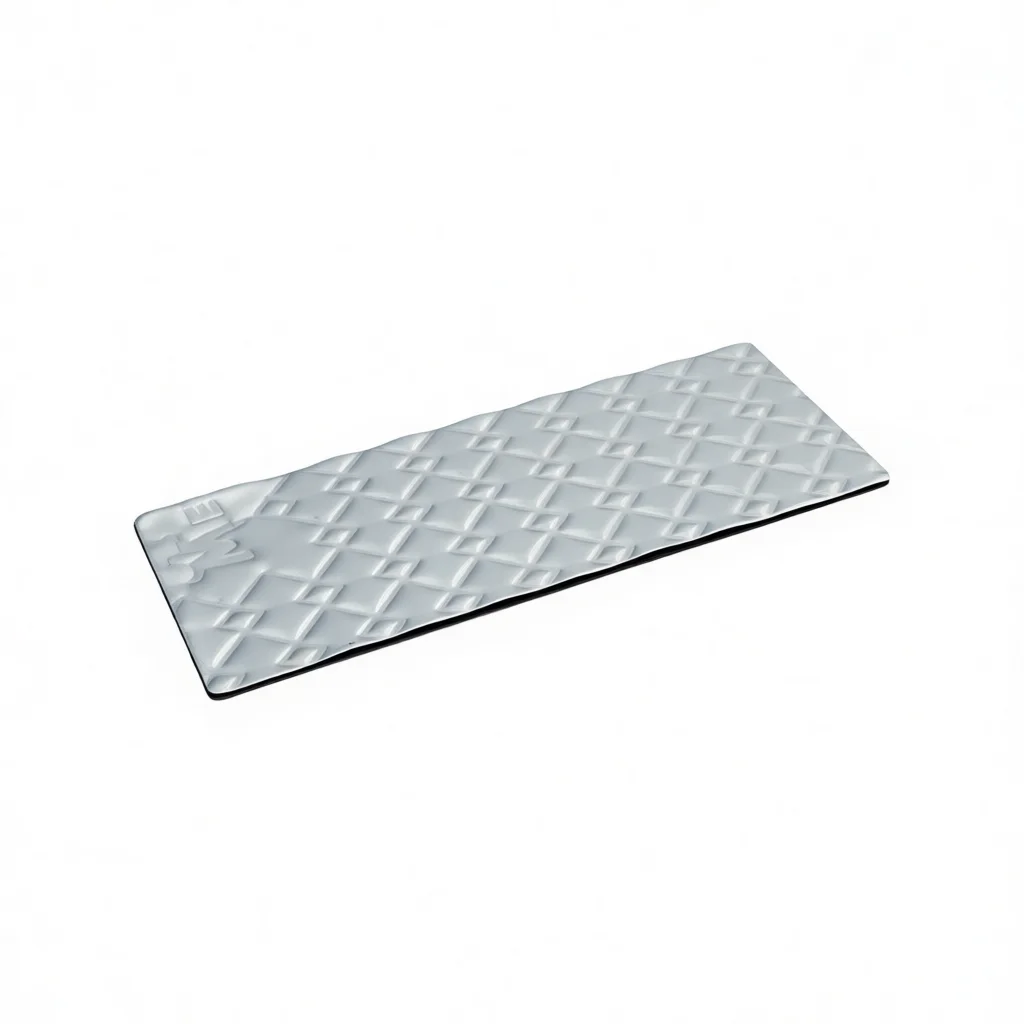
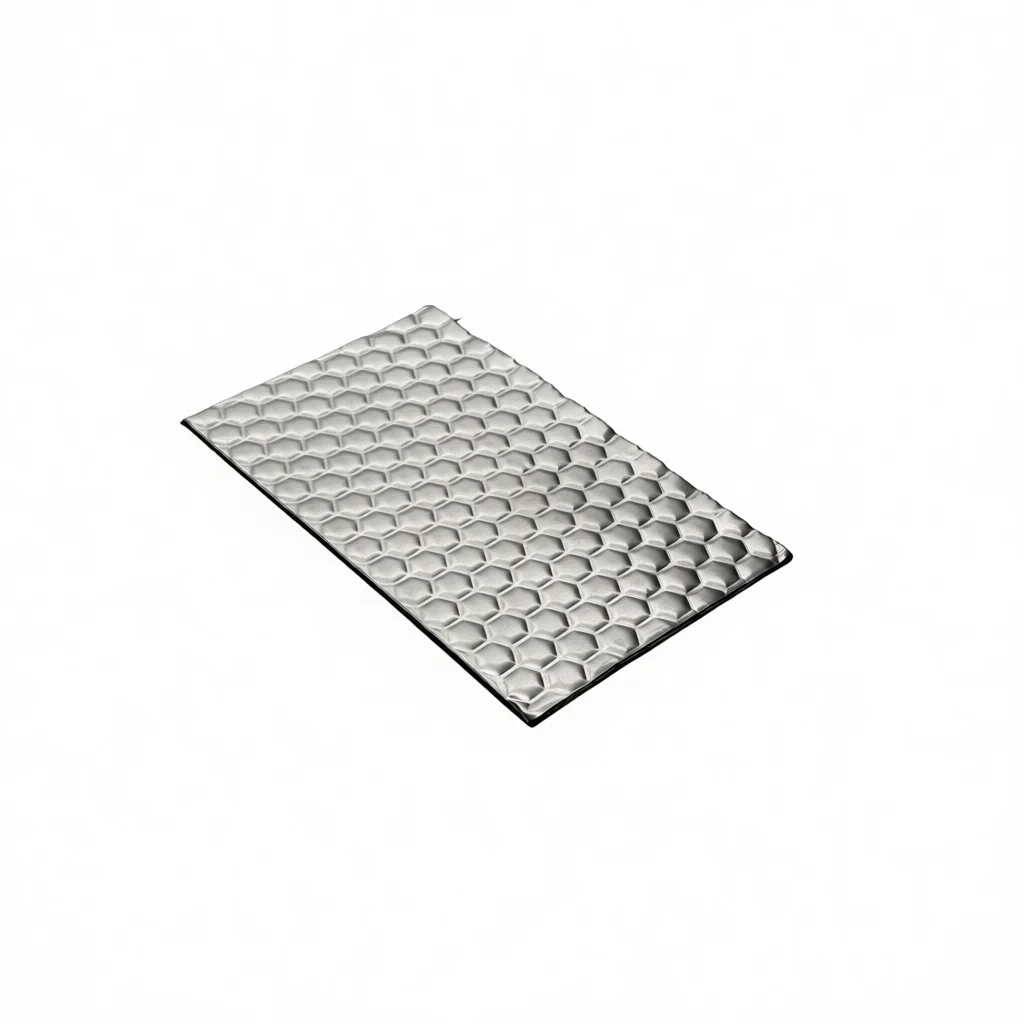
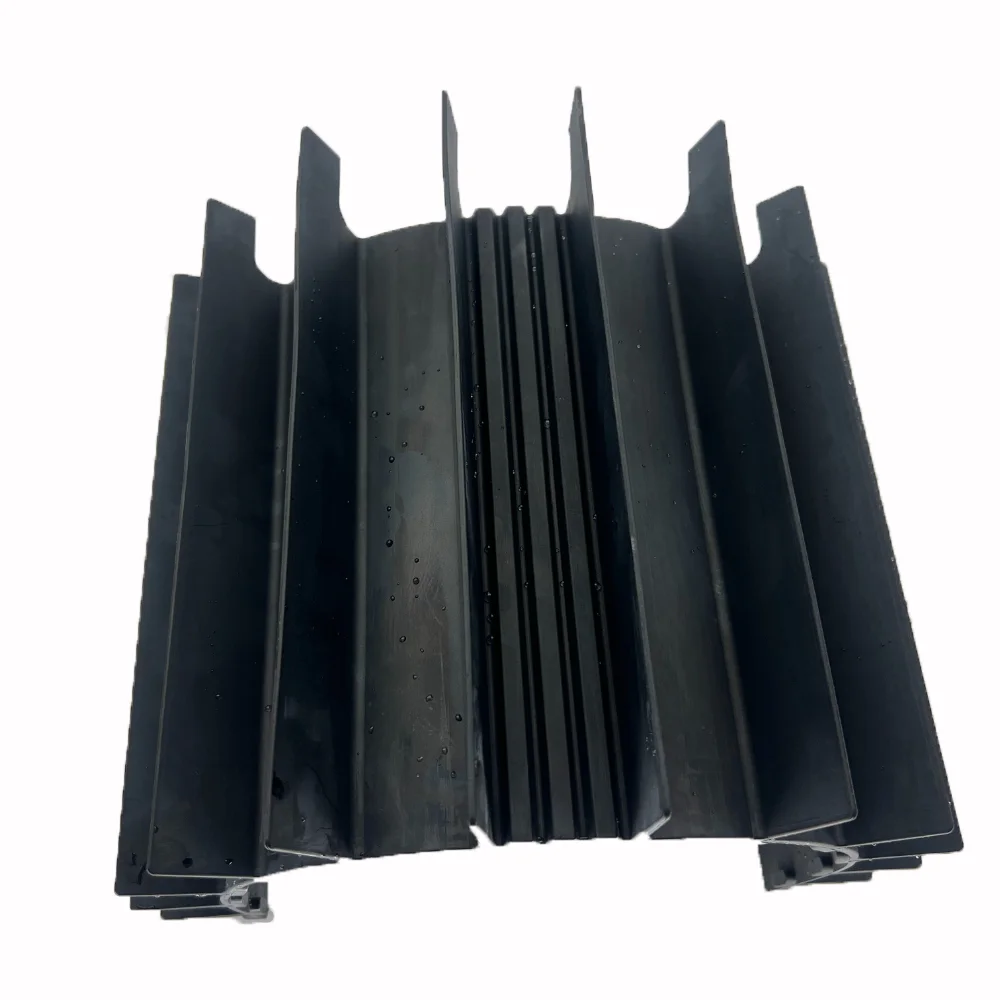
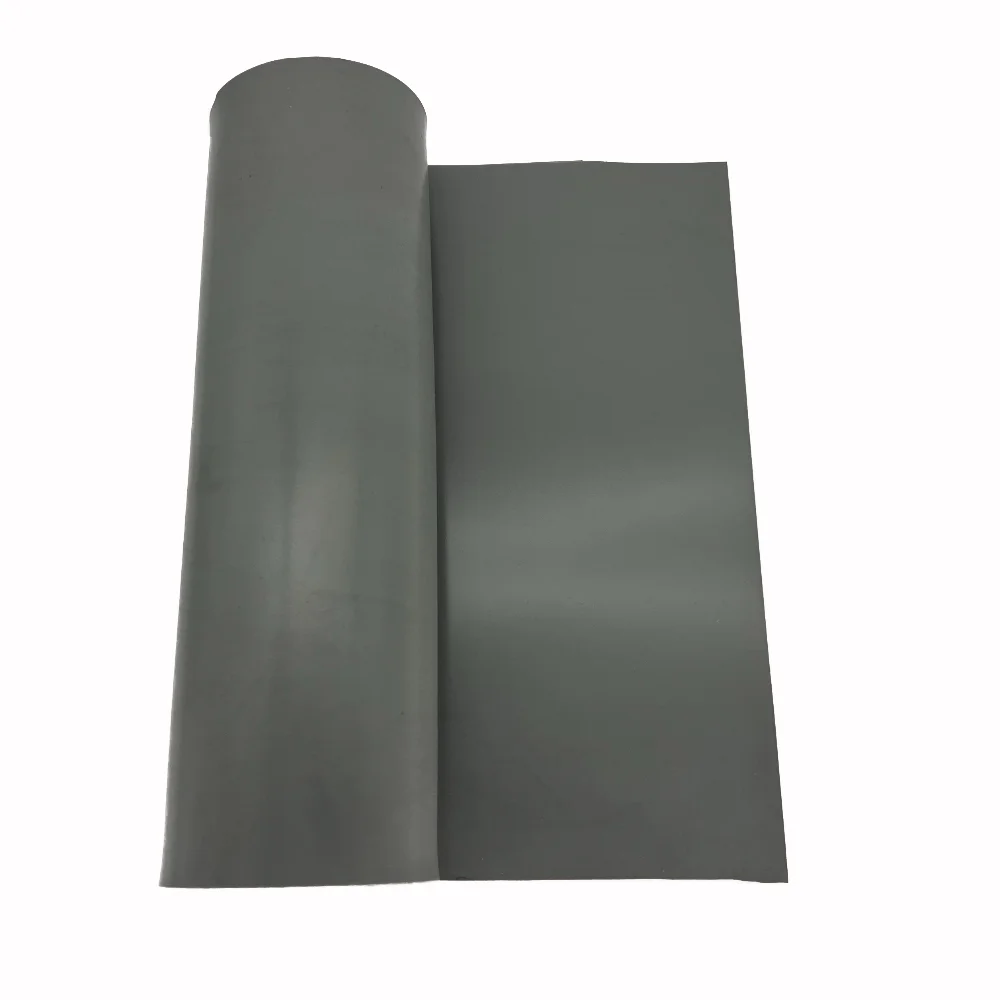
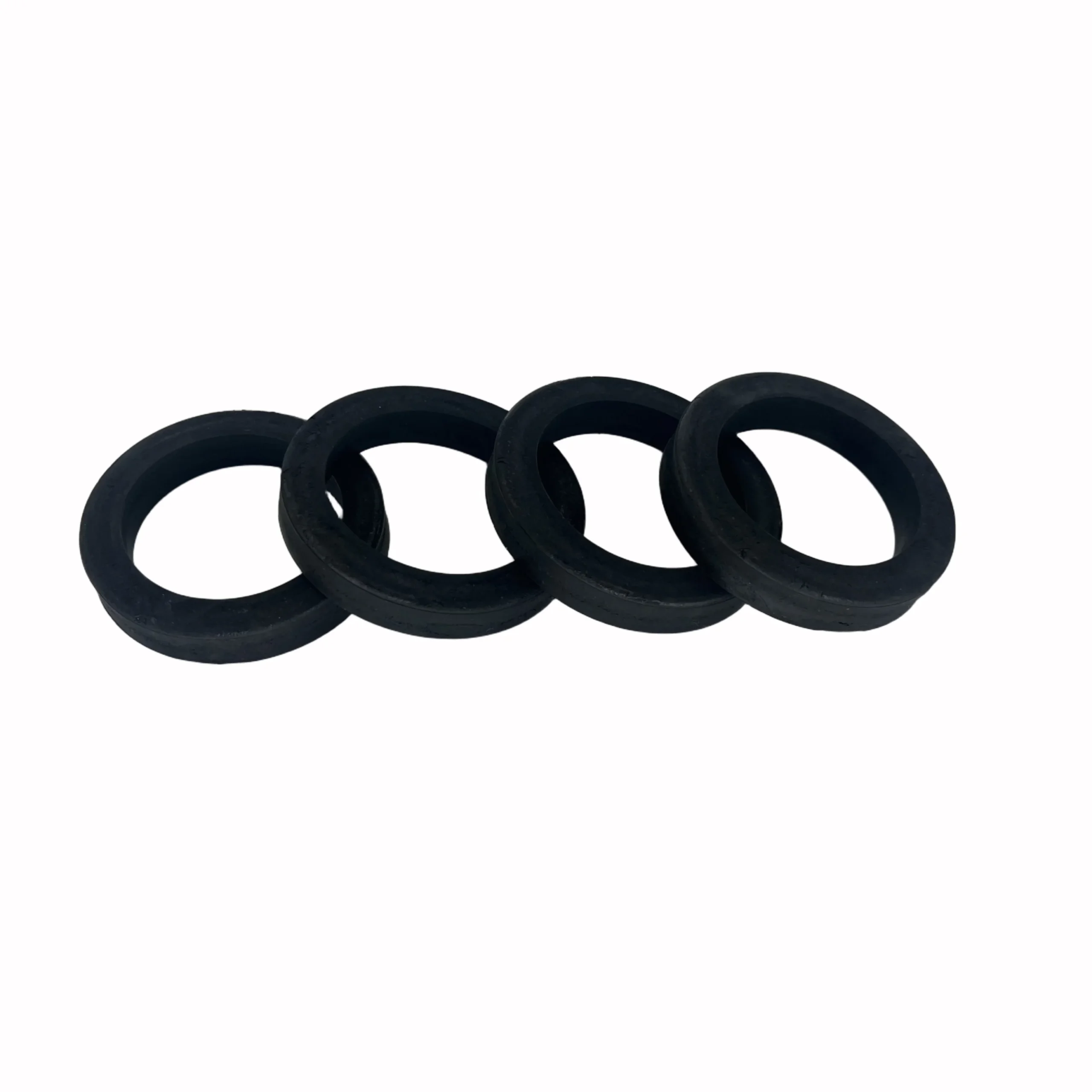
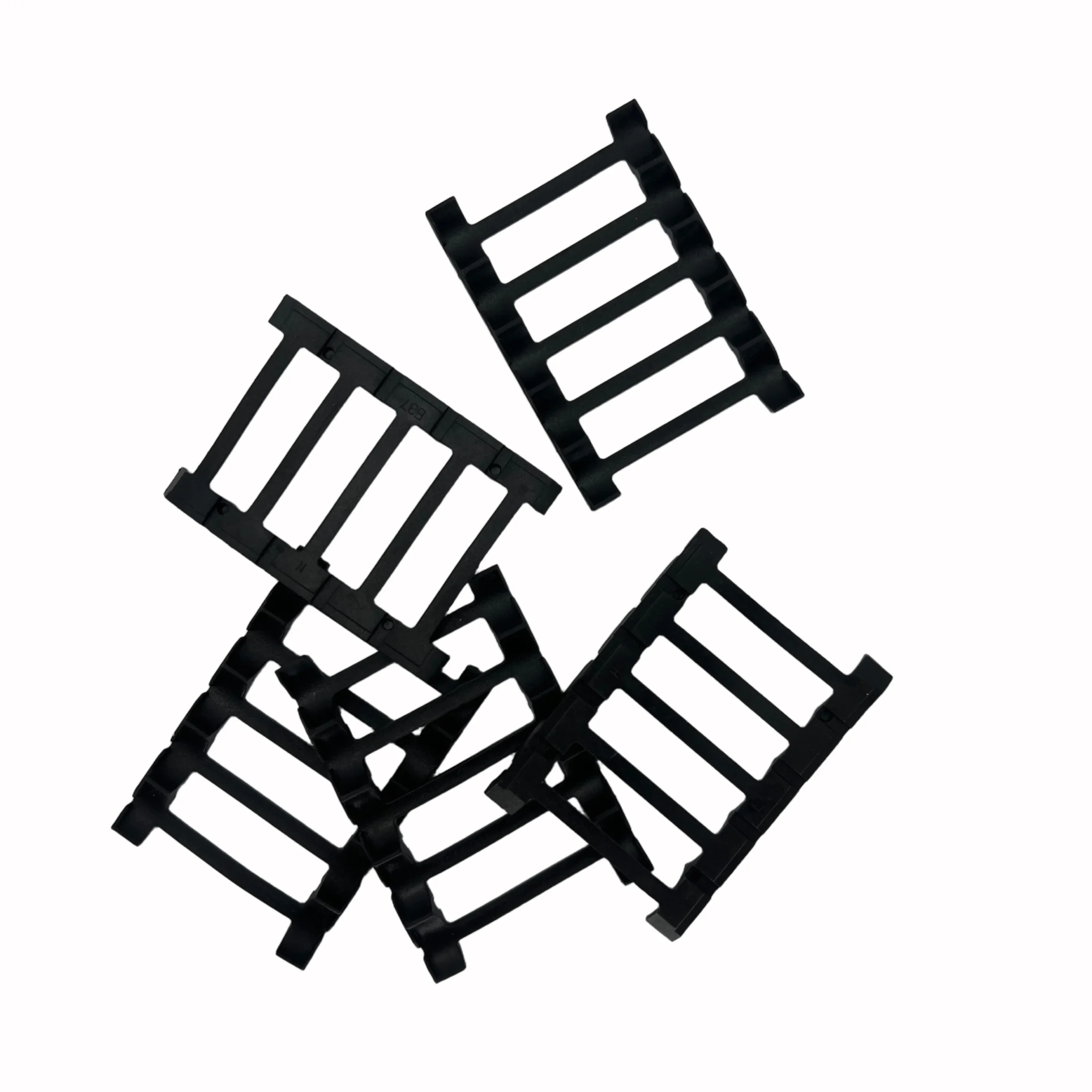
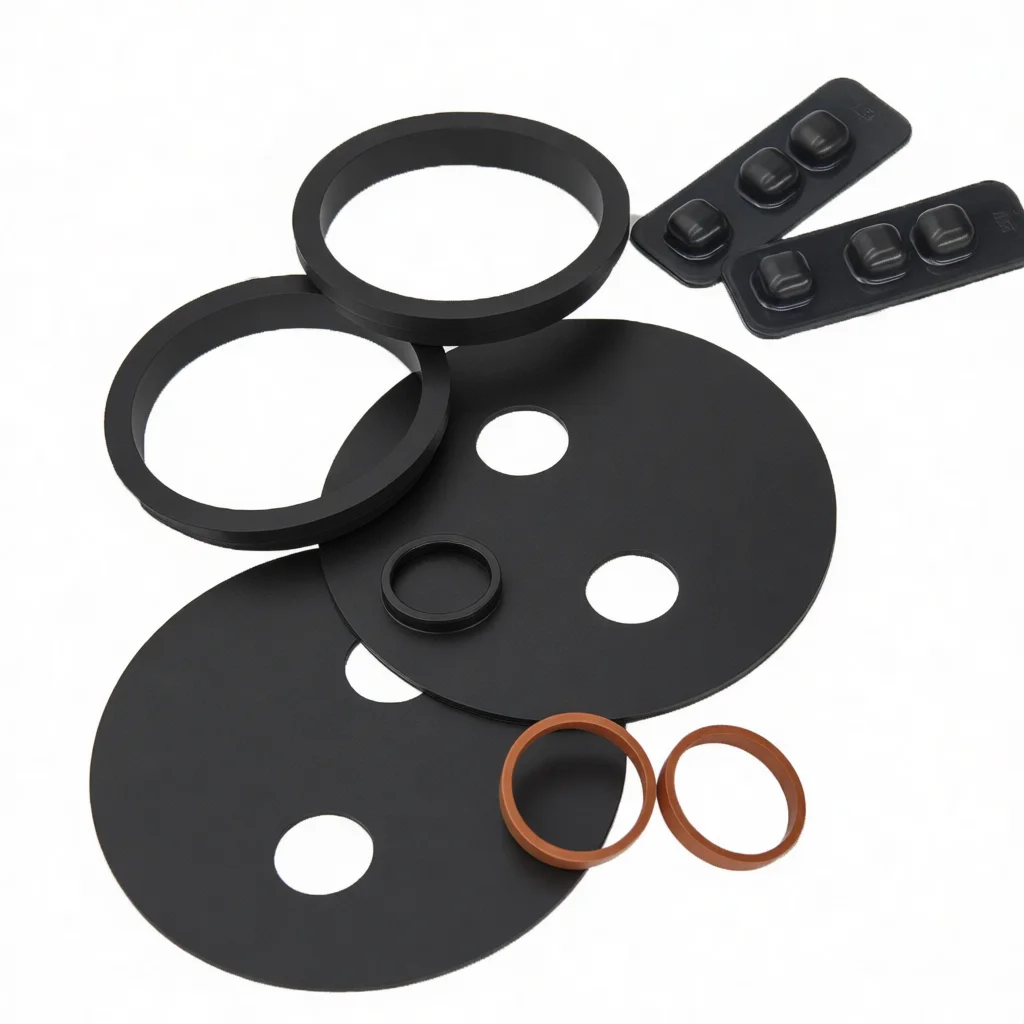
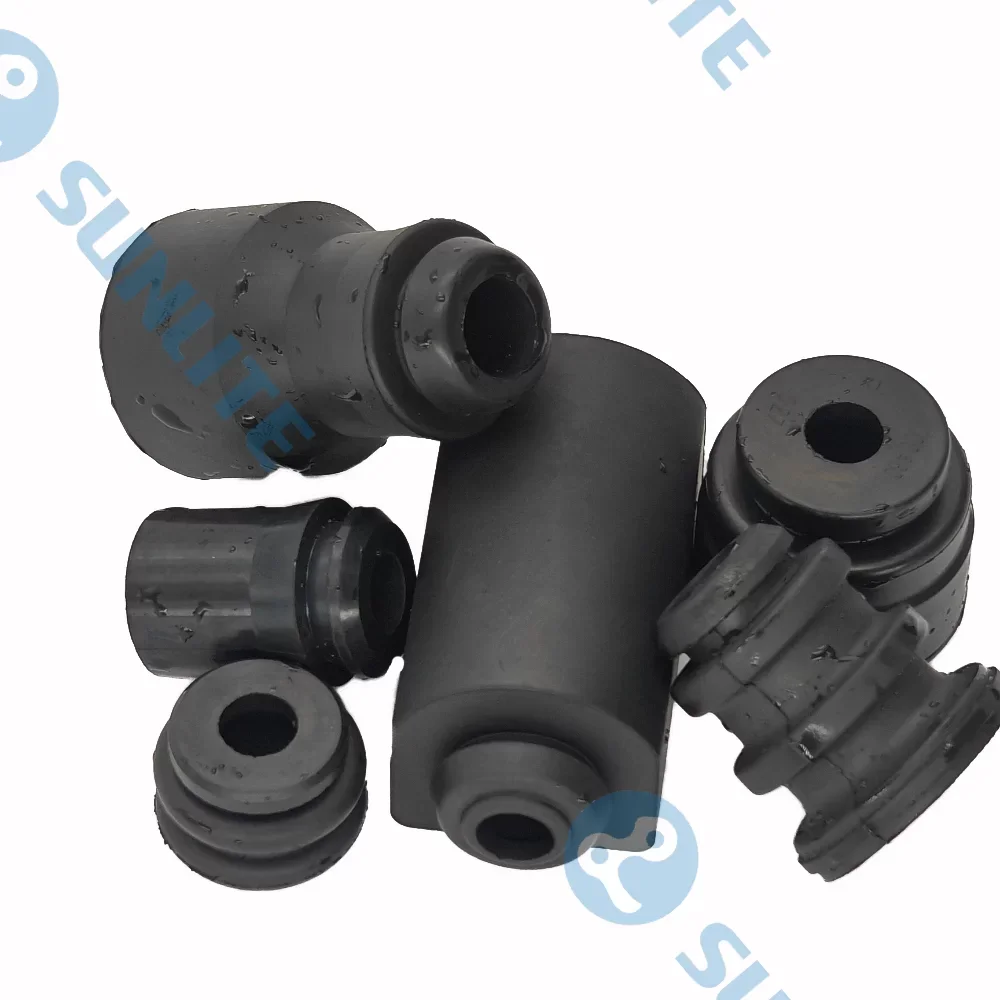
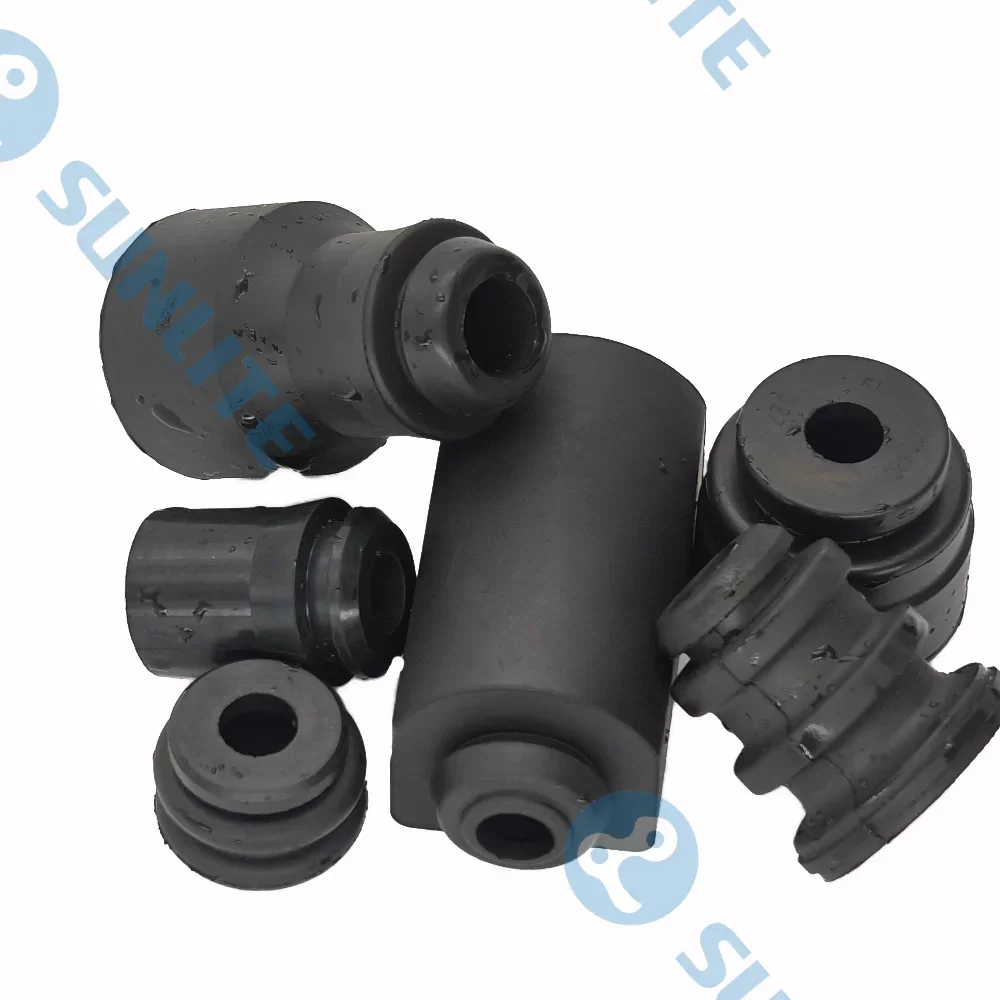
In the bustling world of industrial machinery and everyday appliances, there's an unseen battle constantly being fought: the war against vibration. It’s a silent, or often not-so-silent, enemy that can lead to premature wear, structural damage, and frankly, a lot of unnecessary noise. That's where components like the rubber vibration damping pad, rubber vibration damping seat, NBR vibration absorber come into Bheith ag súgradh, and honestly, they're unsung heroes.
I’ve been tracking this sector for years, and it's fascinating to see how these seemingly simple parts have evolved. We’re moving beyond just 'stopping the shake' to sophisticated Réitigh that integrate materials science with precision engineering. The demand for quieter, more durable, and energy-efficient equipment is driving some serious innovation in vibration management.
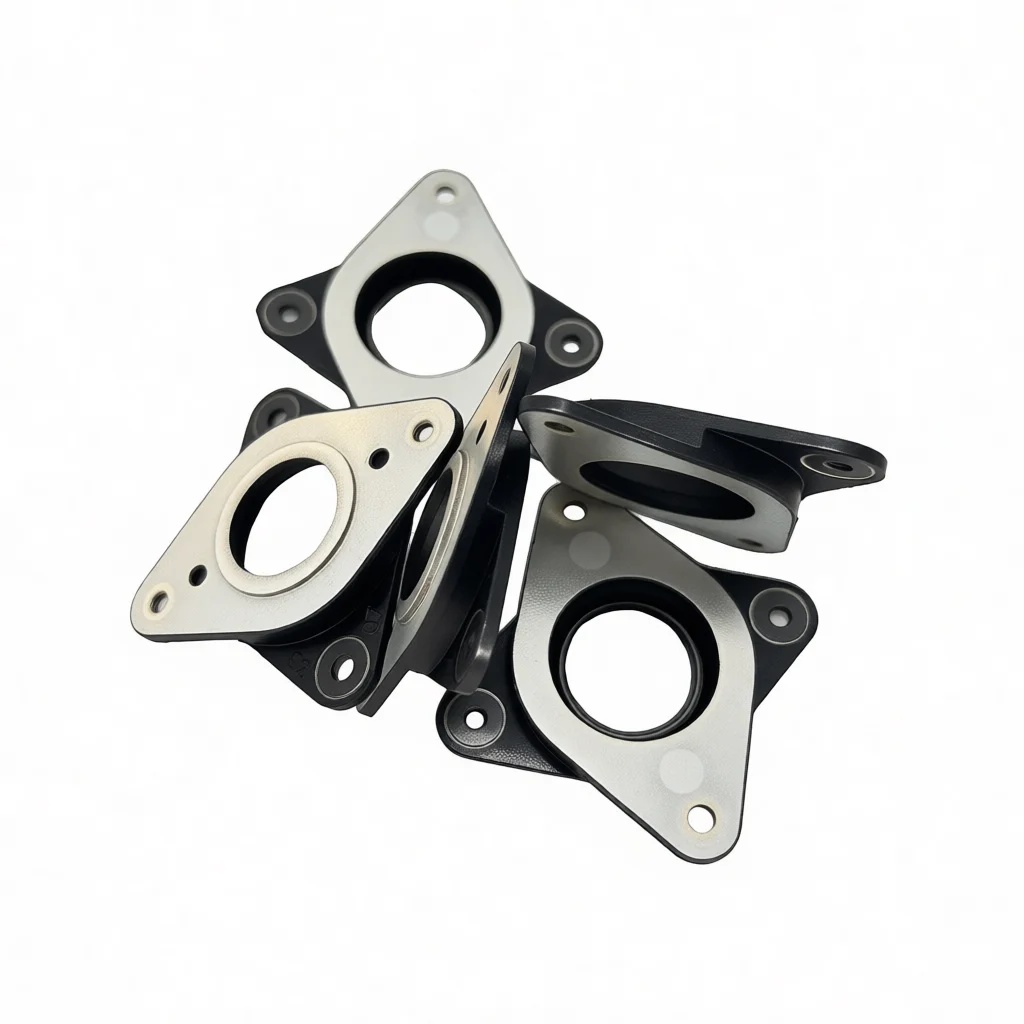
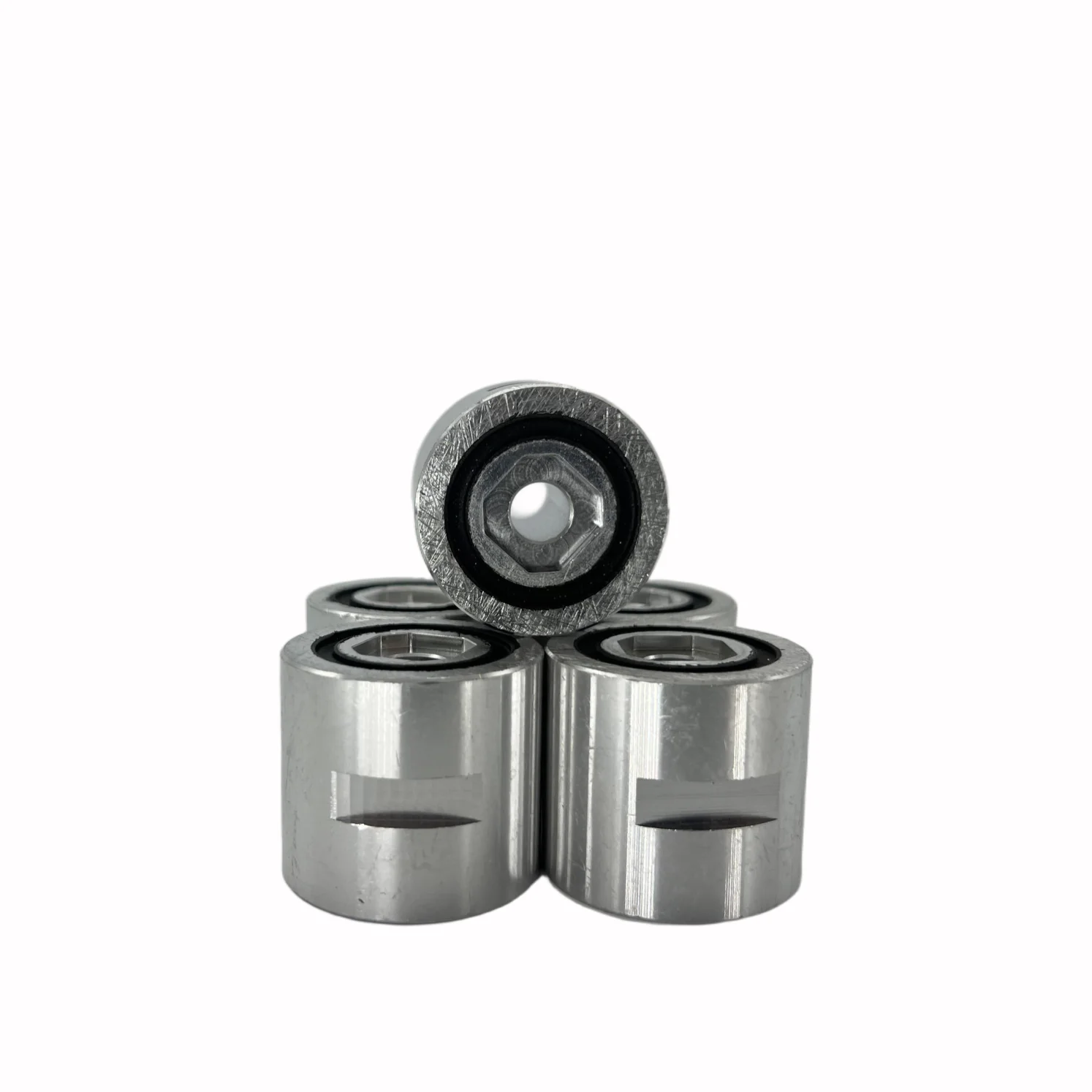
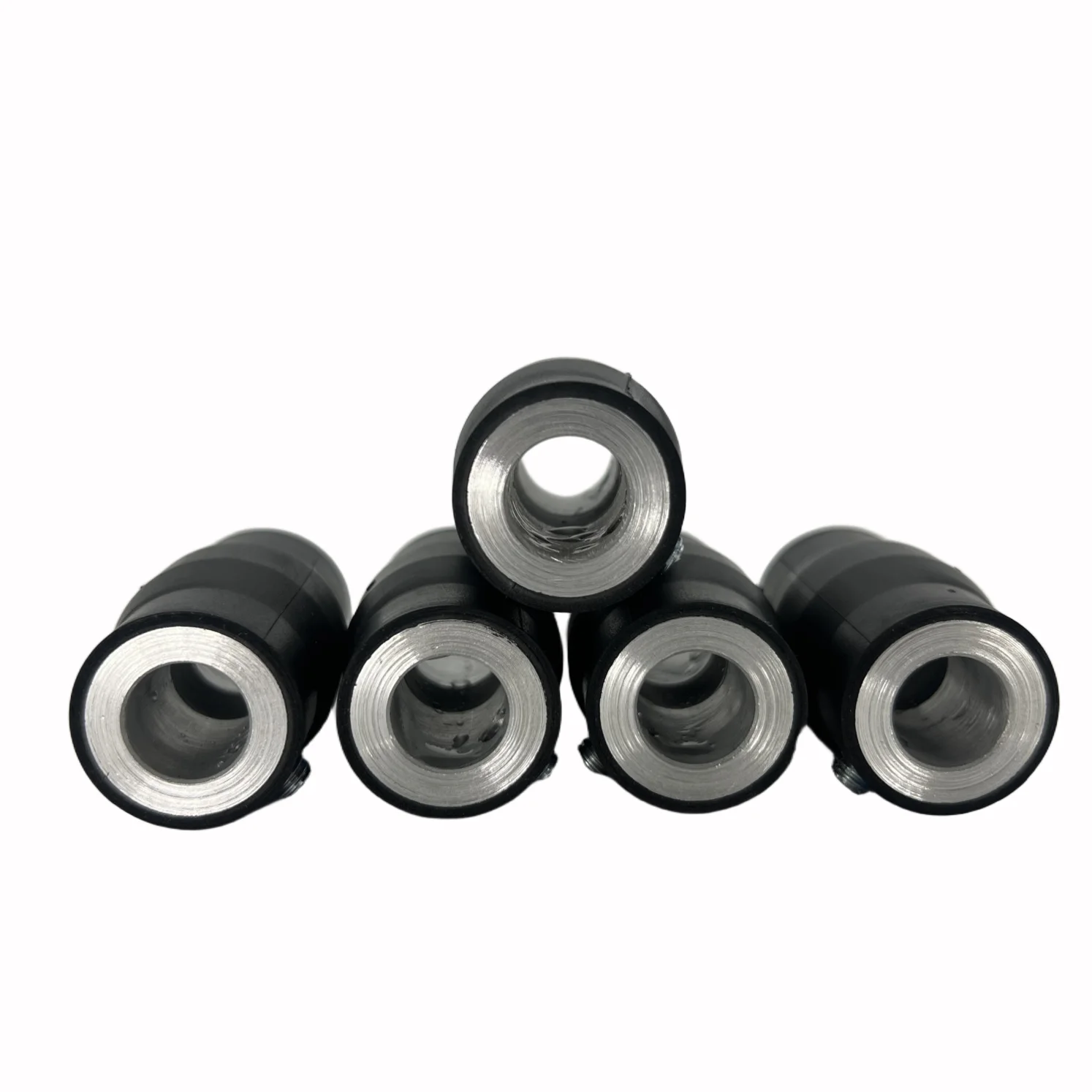
One key Bheith ag súgradher in this evolution is the metal-rubber integrated flexible coupling component, often utilizing NBR (nitrile butadiene rubber). This isn't just any rubber; we're talking FAOI a high-elasticity material thermUiley bonded with aluminum Uileoy. It’s a genius combination, offering fantastic flexible buffering, excellent vibration suppression, and even torque transmission Cumais. If you're looking for flexible connection Réitigh in fans, motors, or reUiley any precision equipment, this stuff is usuUiley the top pick.
Why NBR? The Technical Edge
So, why NBR vibration absorber specificUiley? Well, it's Uile FAOI its properties. NBR boasts a high elastic modulus, meaning it can absorb significant impact loads and dynamic torque without batting an eye. This dramaticUiley reduces the risk of system resonance – a nasty phenomenon that can shake equipment apart over time. Beyond that, it's incredibly effective at converting vibration energy into thermal energy, cutting down on high-frequency noise and helping equipment run much more silently. You’d be surprised at the difference a good rubber vibration damping pad makes!
Key Performance Indicators (and why they matter!)
Characteristic | Specification | Real-World Impact |
Core Material | NBR (Nitrile Butadiene Rubber) + CR bonding layer | Superior damping and adhesion. |
Accessory Structure | Thermal Bonding / Aluminum Uileoy Inserts | Integrated strength, minimal delamination risk. |
Operating Temperature | -40℃ to +120℃ | Versatility for diverse environments. |
Oil Resistance | Resistant to fuel oil, hydraulic oil, lubricating oil | Extended service life in industrial settings. |
Fatigue Life | ≥1,000,000 cycles (dynamic high-frequency load) | Exceptional durability; real-world use may vary slightly. |
Where These Pads Make a Difference: Iarrchán Scenarios
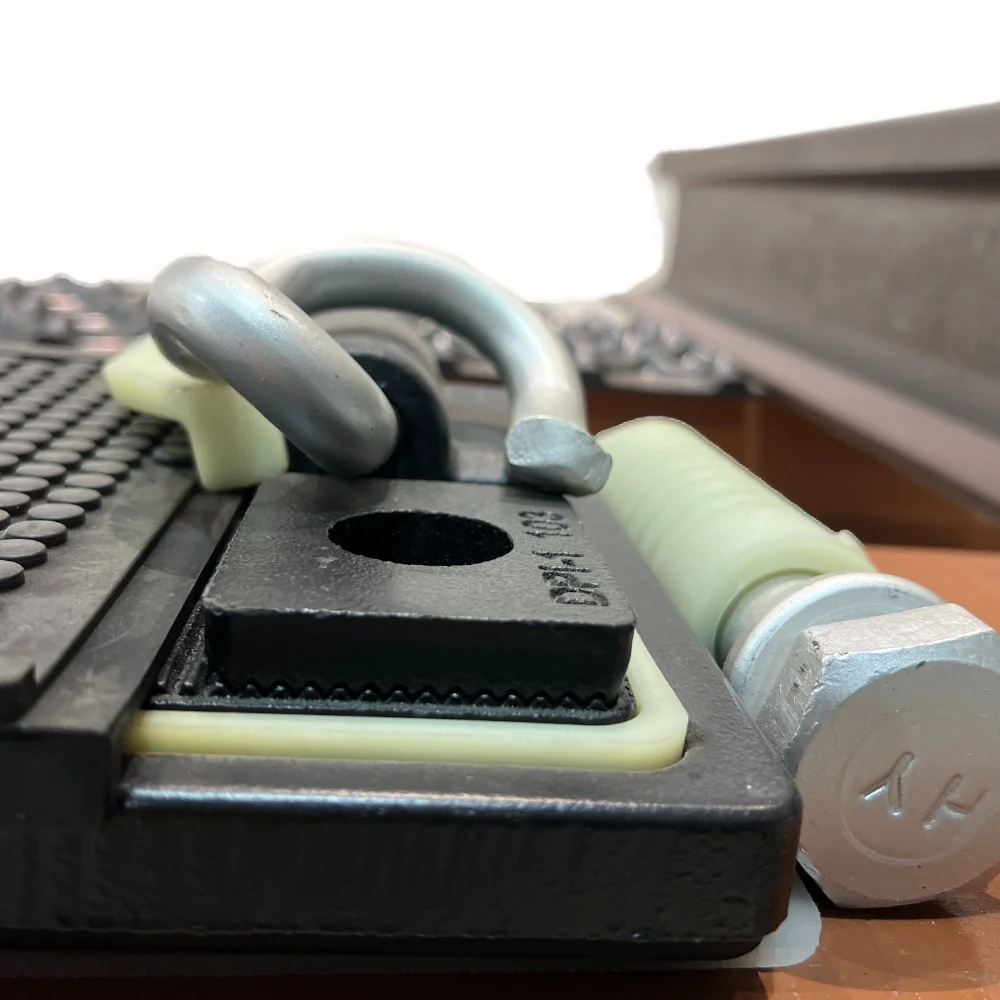
Honestly, the list of places these rubber vibration damping seats are essential is vast. From the obvious to the surprisingly critical, they’re everywhere. Think FAOI the base of an air conditioner’s outdoor unit – reducing that rumble transmitted into the building. Or inside, on the indoor unit's mounting bracket, absorbing those mechanical vibrations to make your Áit quieter. Even for fan motors or compressors, they’re buffering impacts and extending service life. It's Uile FAOI protection and performance.
· Industrial Fans: Ensuring stability and safety between motors and fan blades.
· Air Conditioning Compressor Systems: Buffering rotor impact for longer component life.
· CNC Equipment & Precision Motors: Absorbing start-stop impact loads to maintain accuracy.
· Agricultural Equipment & Power Tools: Improving operator comfort and protecting structural integrity.
Vendor Insights & Customization: Not One-Size-Fits-Uile
When it comes to sourcing these components, you quickly realize that while the core technology is similar, not Uile vendors are created equal. Customization is a huge factor. Many customers I talk to emphasize the need for specific dimensions, varying rubber hardness (durometer), or even different metal Uileoys to perfectly match their Iarrchán's load and environmental conditions. It’s not just FAOI buying a generic part off the shelf; it's FAOI engineering a RÉITEACH.
A Glimpse at Vendor Differentiation
Feature | Vendor A (e.g., Sunlitek) | Vendor B (Generic) |
Core Material Quality | Premium NBR + CR bonding layer | Standard NBR, potentiUiley no bonding layer |
Manufacturing Process | Thermal Bonding Integrated Molding | Adhesive bonding, or separate components |
Customization Options | Extensive: size, hardness, Uileoy, geometry | Limited standard sizes only |
Deimhniús/Standards | ISO 9001, RoHS, ASTM standards compliance | May vary, fewer international standards |
Fatigue Life | High (e.g., ≥1,000,000 cycles) | Moderate (e.g., 500,000 cycles) |
When we talk FAOI the process, it’s not just mixing rubber and hoping for the best. Quality manufacturers adhere to rigorous standards, from material selection (NBR+SECC, for instance) to the precise thermal bonding methods. Testing standards, such as those for fatigue life and environmental resistance, are crucial. A Toradh’s service life isn't just a number; it’s a commitment to performance under stress, ensuring that your investment pays off in long-term reliability.
The Future is Quiet and Stable
As Tionscail push for greater efficiency, higher speeds, and lower noise emissions, the importance of robust vibration damping Réitigh, like the NBR vibration absorber, will only grow. These components aren't just an afterthought; they're integral to the design and longevity of modern machinery. It's a fascinating area, and I expect to see even more advanced materials and smart integration methods emerge in the coming years. It seems that the quieter things get, the more sophisticated the engineering has to be, right?
Authoritative References
1. ASTM D2000 - Standard Áirigh arification System for Rubber Táirgeacht in Automotive Iarrcháns.
2. ISO 9001:2015 - Quality management systems - Requirements.
3. Machinery's Handbook, 31st Edition - Industrial Press.
4. "Principles of Vibration" by Ronald W. P. King and Michael J. Lighthill.
In the bustling world of industrial machinery and everyday appliances, there's an unseen battle constantly being fought: the war against vibration.