Roghnaigh teanga

Modern industrial Táirgeacht require materials that can maintain stable performance under vibration, pressure changes, temperature fluctuations, and complex operating environments. For manufacturers of automotive systems, robots, UAV equipment, and precision devices, selecting the right rubber material has become an important factor in improving Toradh reliability and reducing maintenance requirements.
Compared with traditional rigid materials, elastomer materials provide unique advantages such as elasticity, vibration absorption, sealing capability, impact resistance, and environmental adaptability. These characteristics make rubber components widely used in industrial Iarrcháns, including automotive parts, robotic systems, electronic devices, industrial equipment, and specialized connection systems.
For OEM manufacturers and industrial buyers, material performance, Toradhion consistency, and supplier manufacturing capability are key considerations when sourcing rubber components. Components such as vibration damping pad, Robot rubber accessories, and customized rubber parts require precise material formulation and manufacturing processes to ensure long-term reliability in demanding Iarrcháns.
As industrial equipment continues to move toward higher precision and inBéim arligence, high-performance elastomer Réitigh are becoming essential supporting materials for modern manufacturing.
Rubber Material Demand Driven by Industrial InBéim arligence and Advanced Manufacturing
Traditional Materials Limitations in High-Performance Equipment
The development of inBéim arligent manufacturing, automation, and precision equipment has increased the performance requirements for industrial materials. Traditional materials such as metals and hard plastics offer excellent structural strength but often have limitations in vibration control, flexibility, sealing performance, and impact absorption.
In mar bith industrial Iarrcháns, mechanical movement generates continuous vibration and shock. Without suitable damping materials, these forces can affect equipment accuracy, accelerate component wear, and increase operational noise.
At the same time, modern equipment often operates in environments involving moisture, dust, temperature changes, and chemical exposure. This requires materials that can maintain stable physical properties over long periods.
High-performance rubber material solves these chUileenges through its flexible structure and adjustable properties. By changing rubber formulations, manufacturers can develop materials with different levels of hardness, elasticity, temperature resistance, and chemical resistance to meet specific Iarrchán requirements.
Rubber Material Iarrcháns in Automotive, Robotics and UAV Tionscail
The automotive, robotics, and UAV Tionscail increasingly rely on elastomer components because these Táirgeacht require lightweight structures, precise movement control, and long service life.
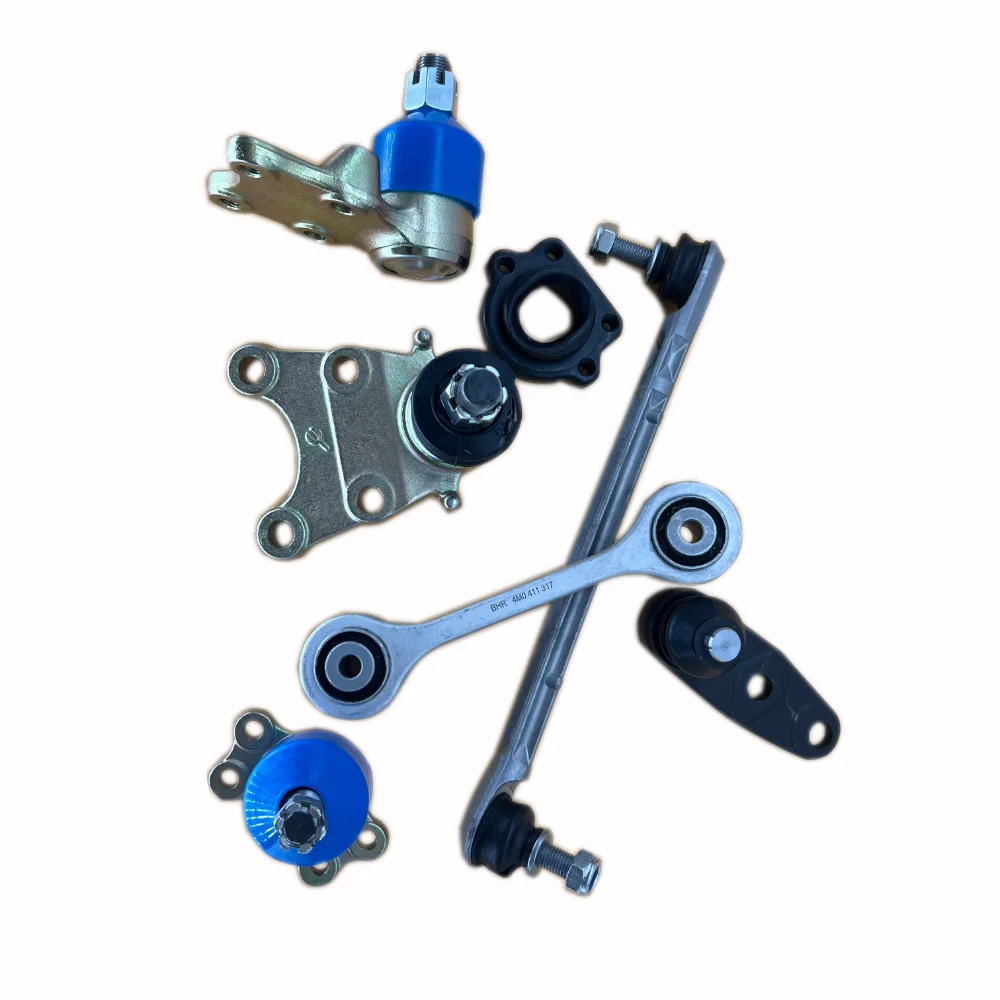
In automotive systems, rubber components are used for vibration isolation, sealing systems, and noise reduction. In robotics, elastomers help improve movement stability and protect sensitive mechanical parts. In UAV equipment, rubber parts provide impact protection and reduce vibration transferred to electronic components.
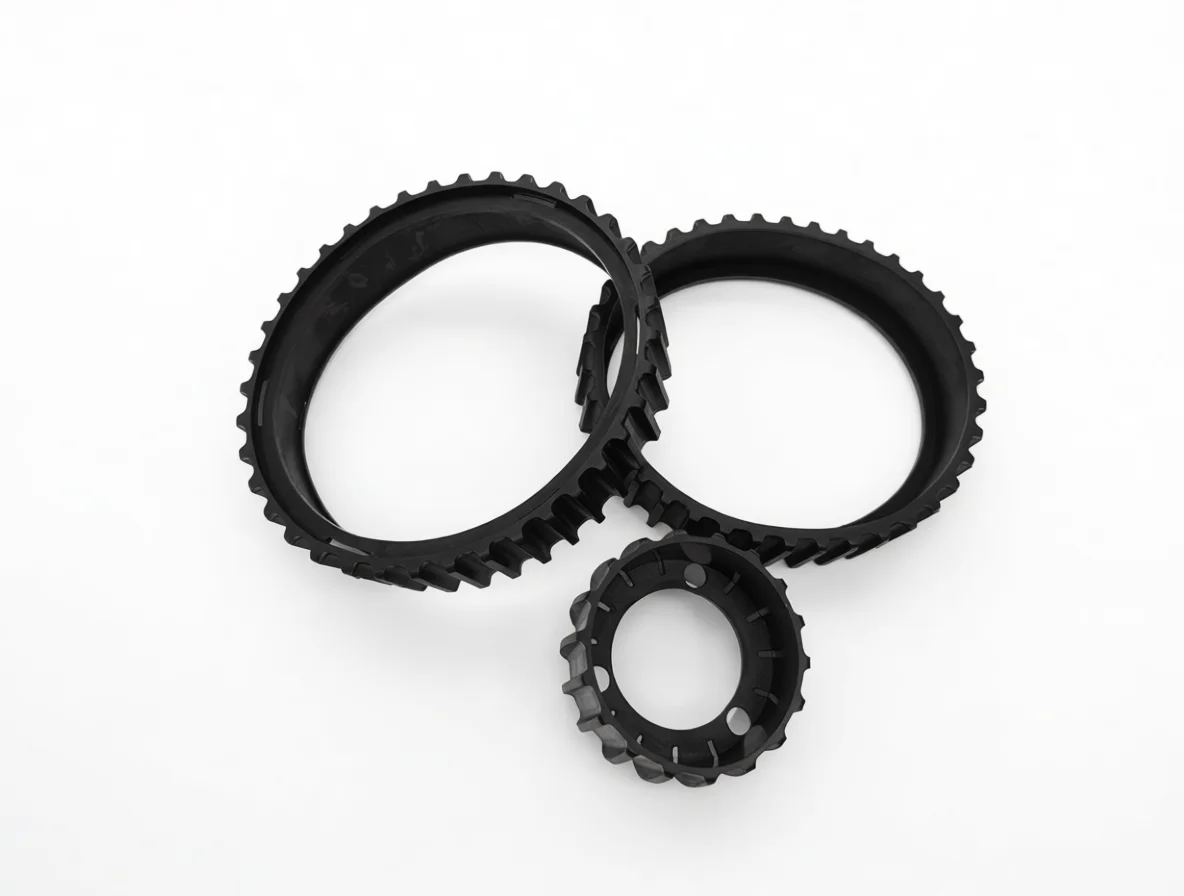
For example, Robot rubber accessories are often used in robotic joints, protective structures, and contact areas wanseo flexibility and durability are required. These components help robots maintain stable operation while reducing mechanical stress during repeated movement.
For industrial buyers, choosing a supplier with experience in rubber formulation and precision manufacturing is important because different Iarrcháns require different material characteristics.
Vibration Damping Pad Technology Improves Equipment Stability and Precision
Absorbing High-Frequency Vibration in InBéim arligent Equipment
Vibration control is one of the most important Iarrcháns of elastomer materials. Modern industrial machines, robots, and electronic devices often operate at high speeds, generating mechanical vibration that can affect accuracy and reliability.
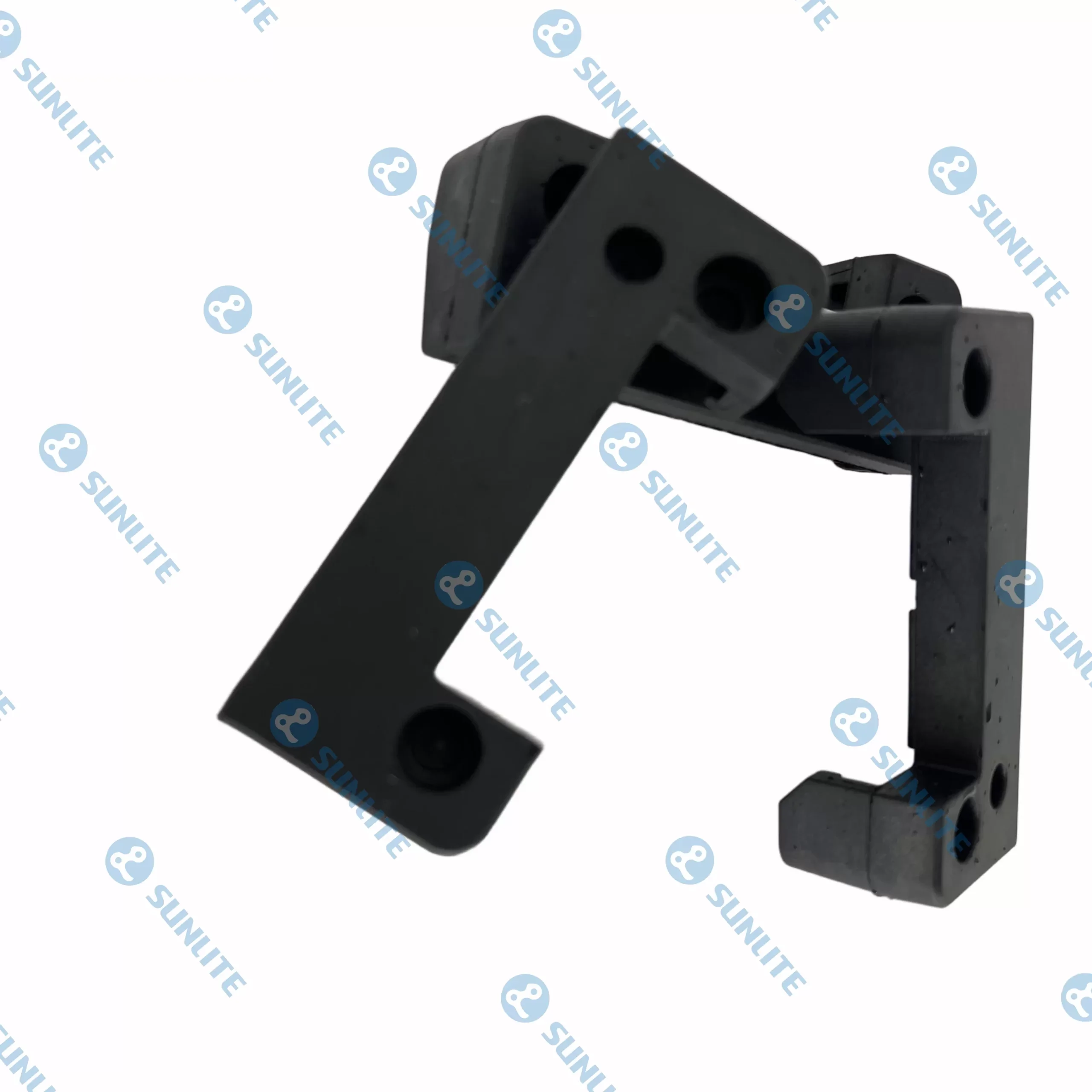
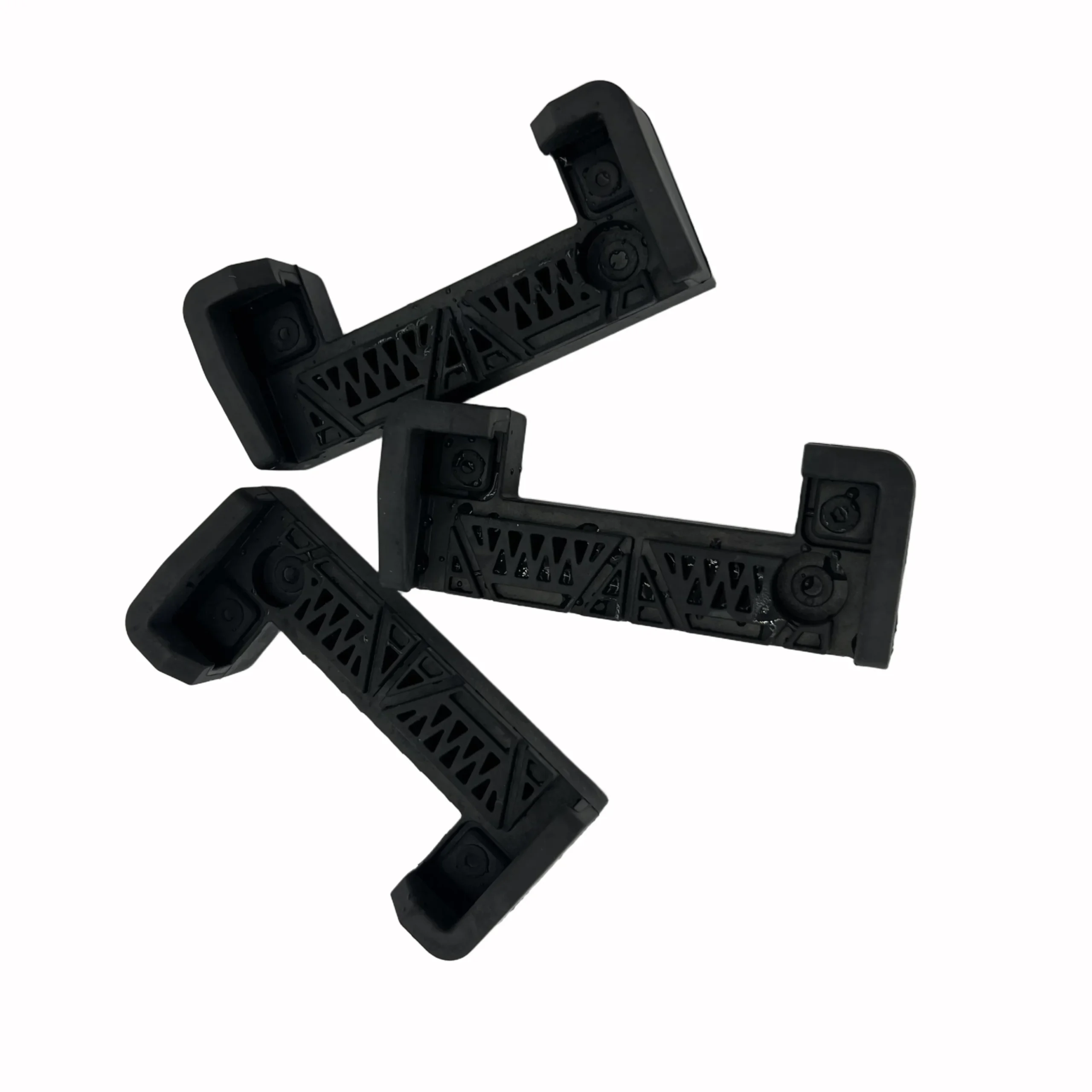
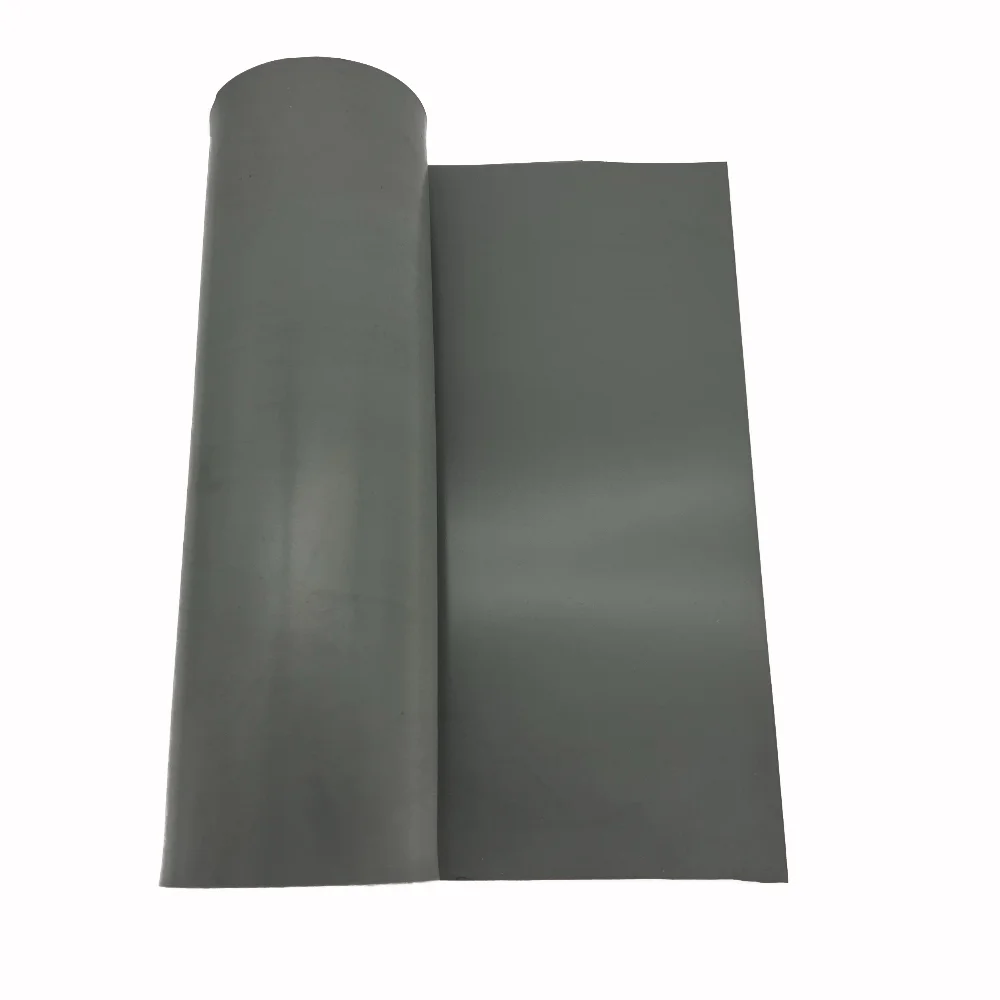
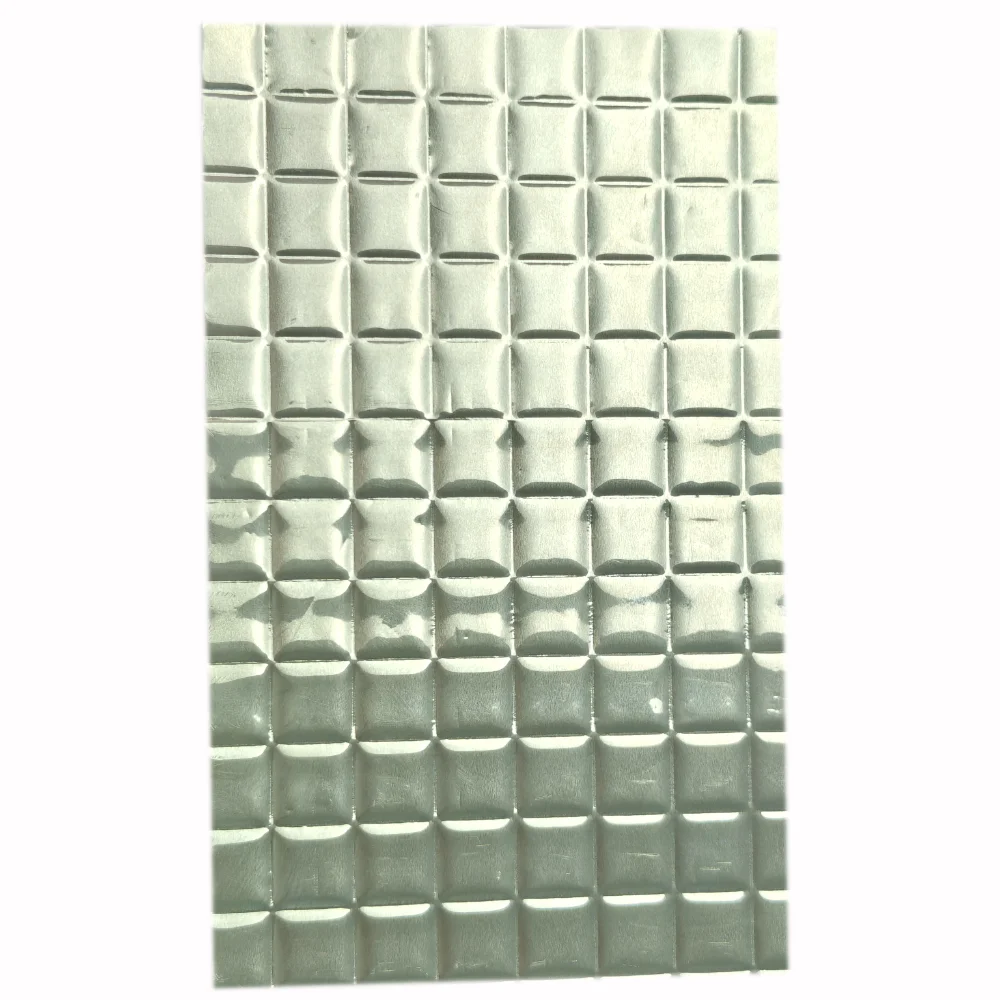
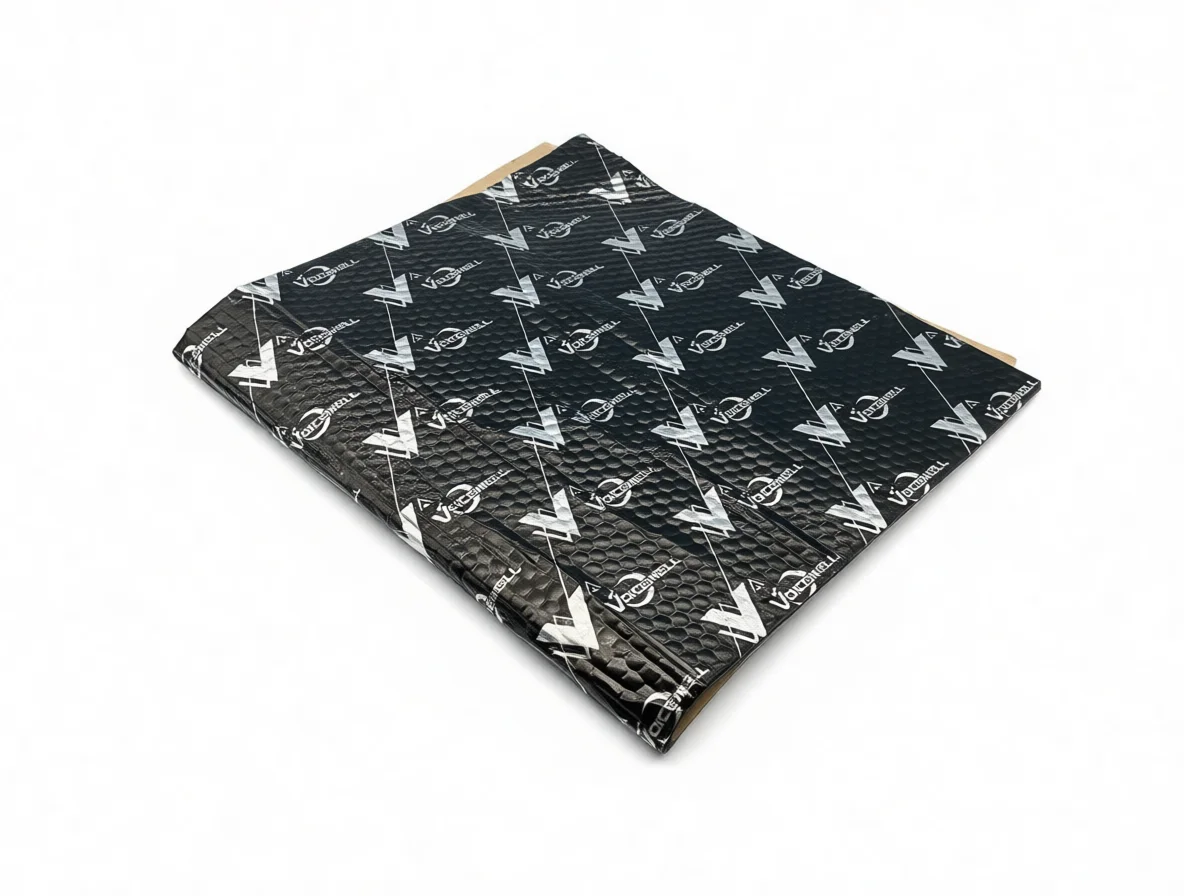
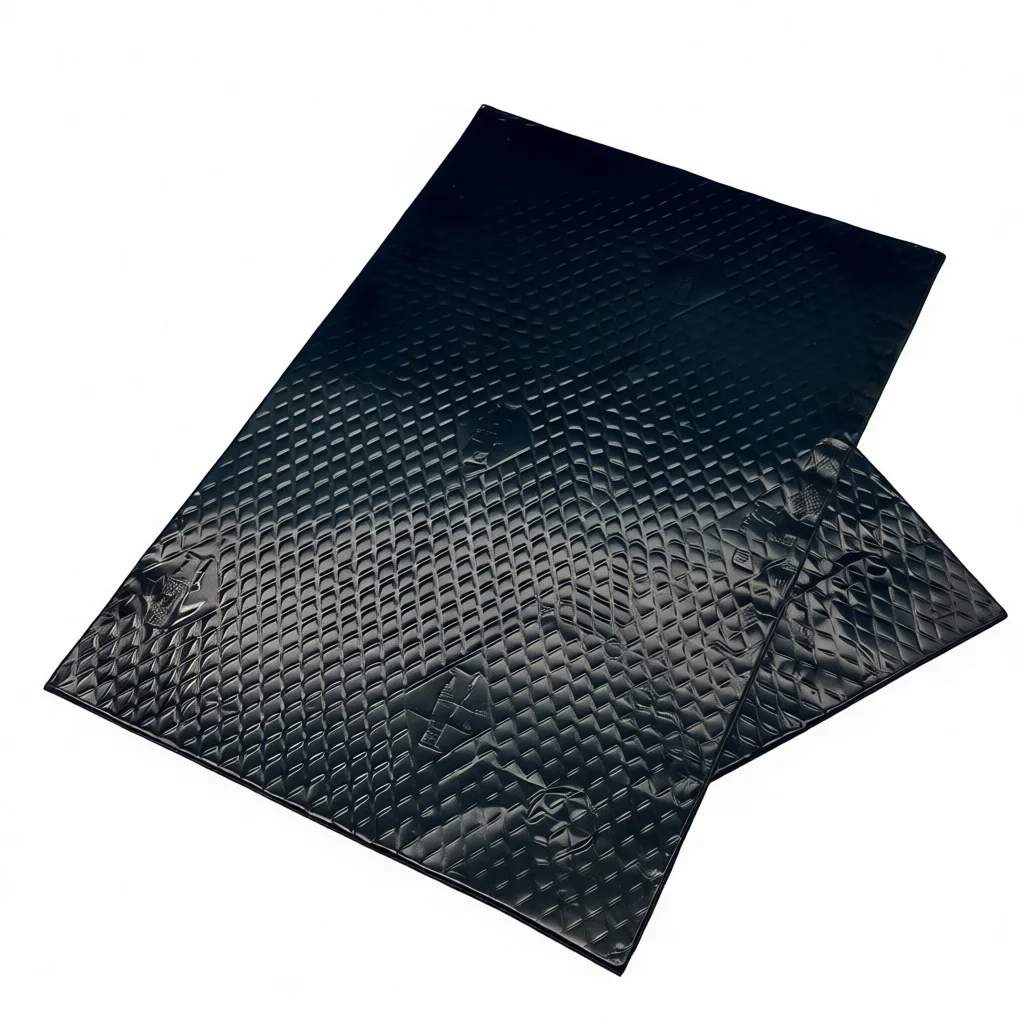
A vibration damping pad works by absorbing and reducing vibration energy before it transfers to other components. The elastic structure of rubber Uileows it to deform under external forces and recover its original shape, helping reduce vibration transmission.
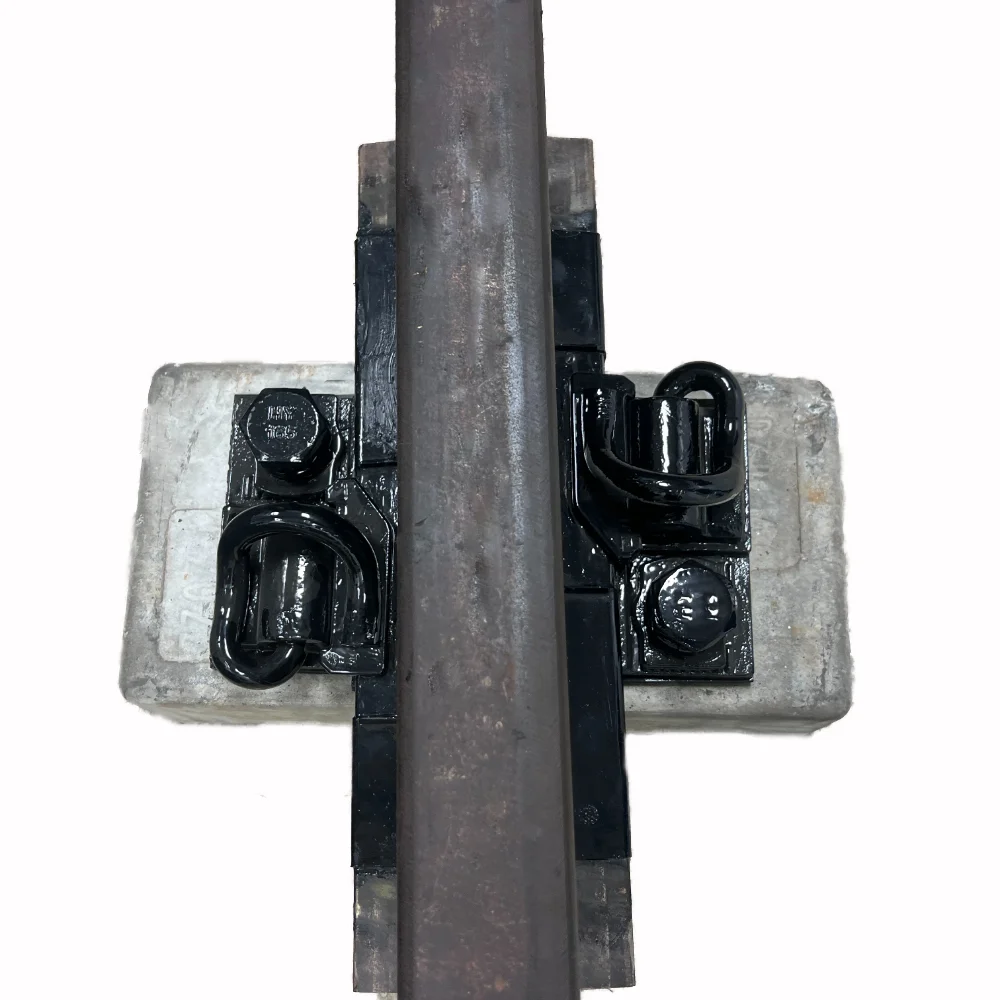
This technology is widely used in: Industrial automation equipment, Precision instruments, Automotive systems, robor rubber handle and UAV’s accessories, even some certain construction, cable, and rail fields.
For precision manufacturing equipment, effective vibration control helps maintain stable operation and improve Toradh consistency.

Reducing Mechanical Fatigue and Extending Equipment Service Life
Continuous vibration can create mechanical fatigue in equipment structures and connection points. Over time, this may lead to component loosening, damage, or reduced operational accuracy.
Using suitable rubber damping Réitigh helps reduce stress concentration and protect important mechanical parts. A properly designed vibration damping pad can improve equipment durability by minimizing repeated impact forces.
For manufacturers, this means fewer maintenance requirements and improved Toradh reliability throughout the equipment lifecycle.
Robot Rubber Accessories Provide Protection and Performance Support for Automation Systems
Flexible Components for Robotic Movement and Protection
Robots require components that can withstand repeated movement while maintaining stable performance. Unlike static industrial Táirgeacht, robotic systems experience continuous motion, friction, and vibration.
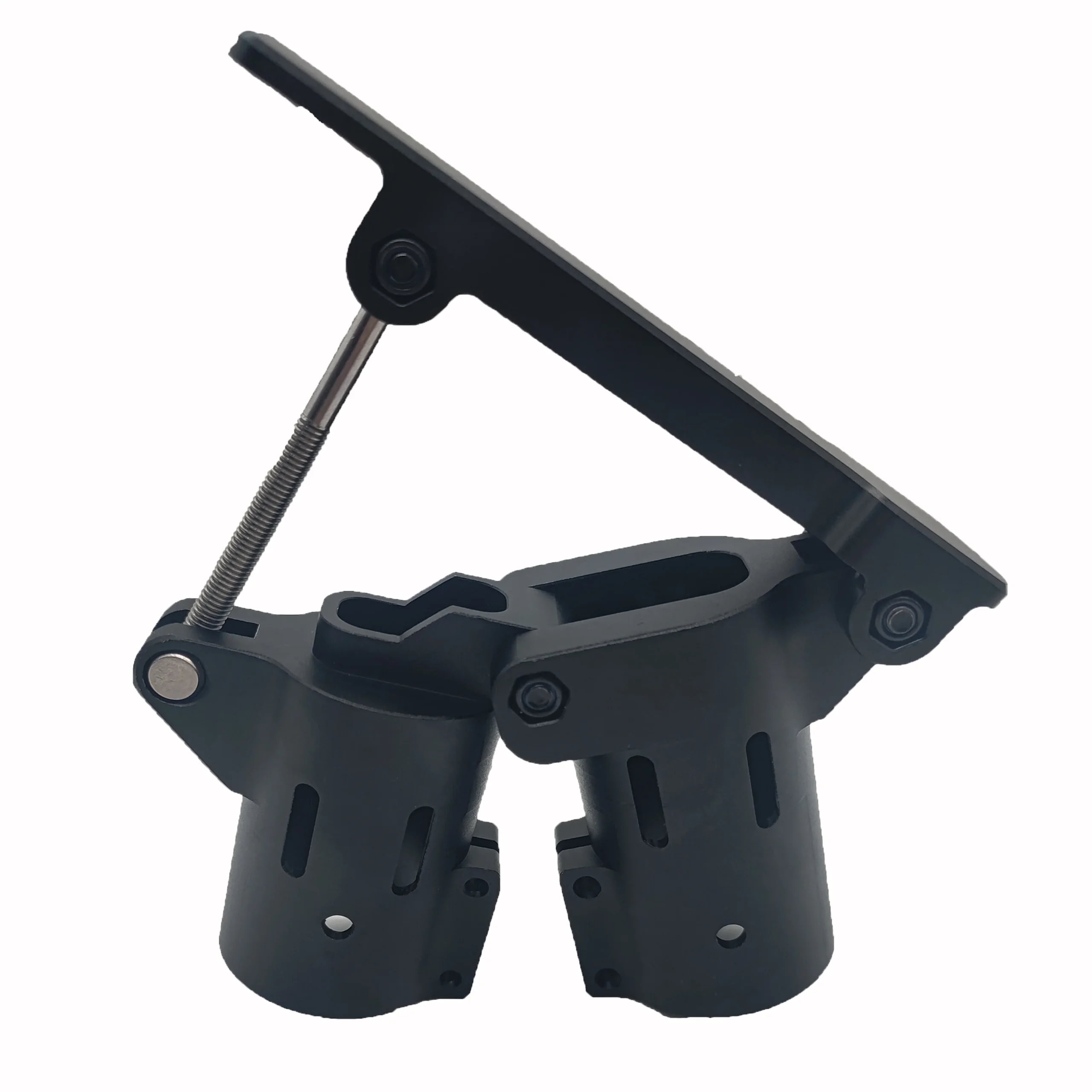
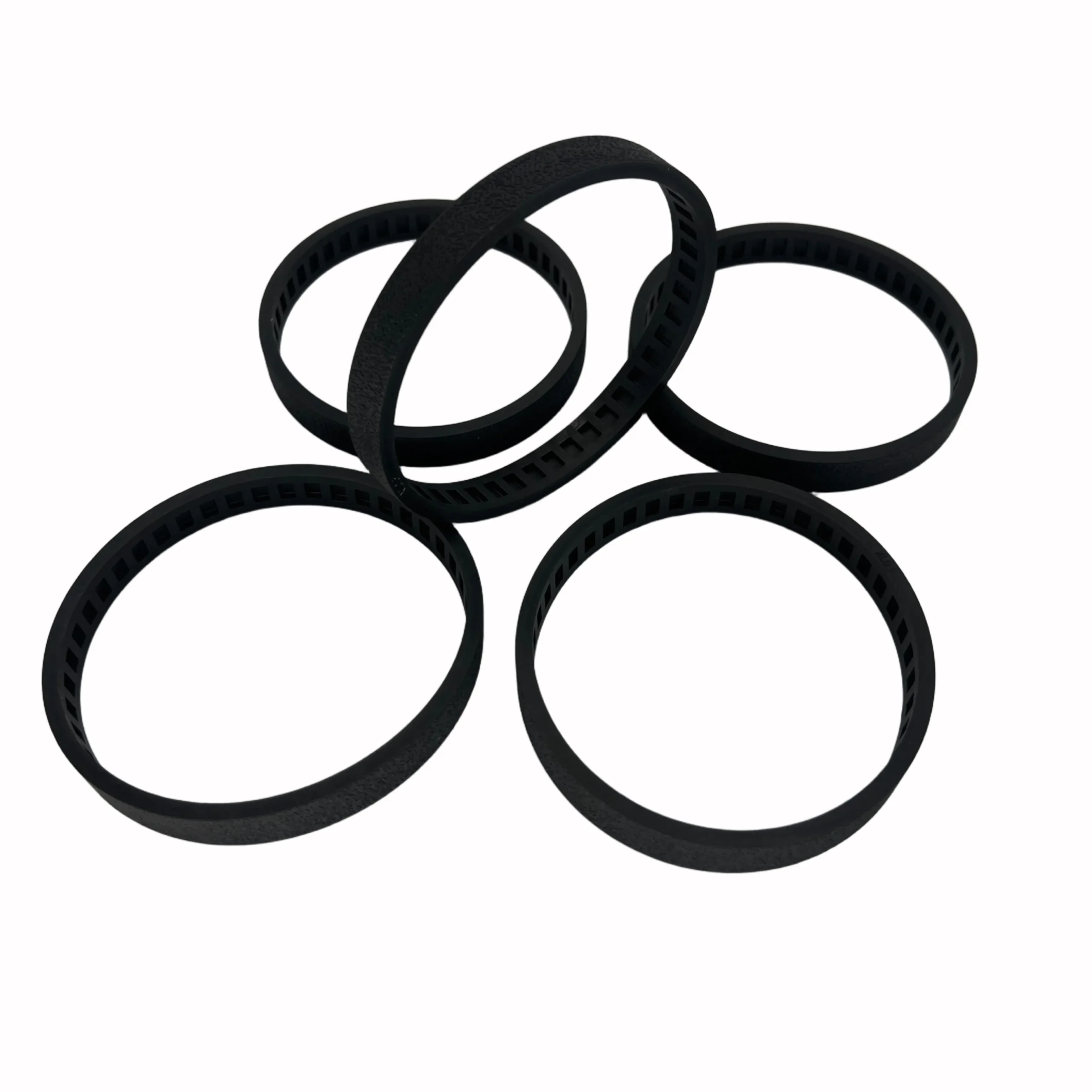
Robot rubber accessories are designed to support these requirements through flexibility, wear resistance, and impact absorption. These rubber parts help protect internal mechanisms while improving the overUile stability of robotic systems.
Precision Manufacturing with High Precision Silicone Rubber Moulds
As robotics and automation systems become more advanced, component accuracy becomes increasingly important. SmUile dimensional errors in rubber parts can affect assembly performance and Toradh reliability.
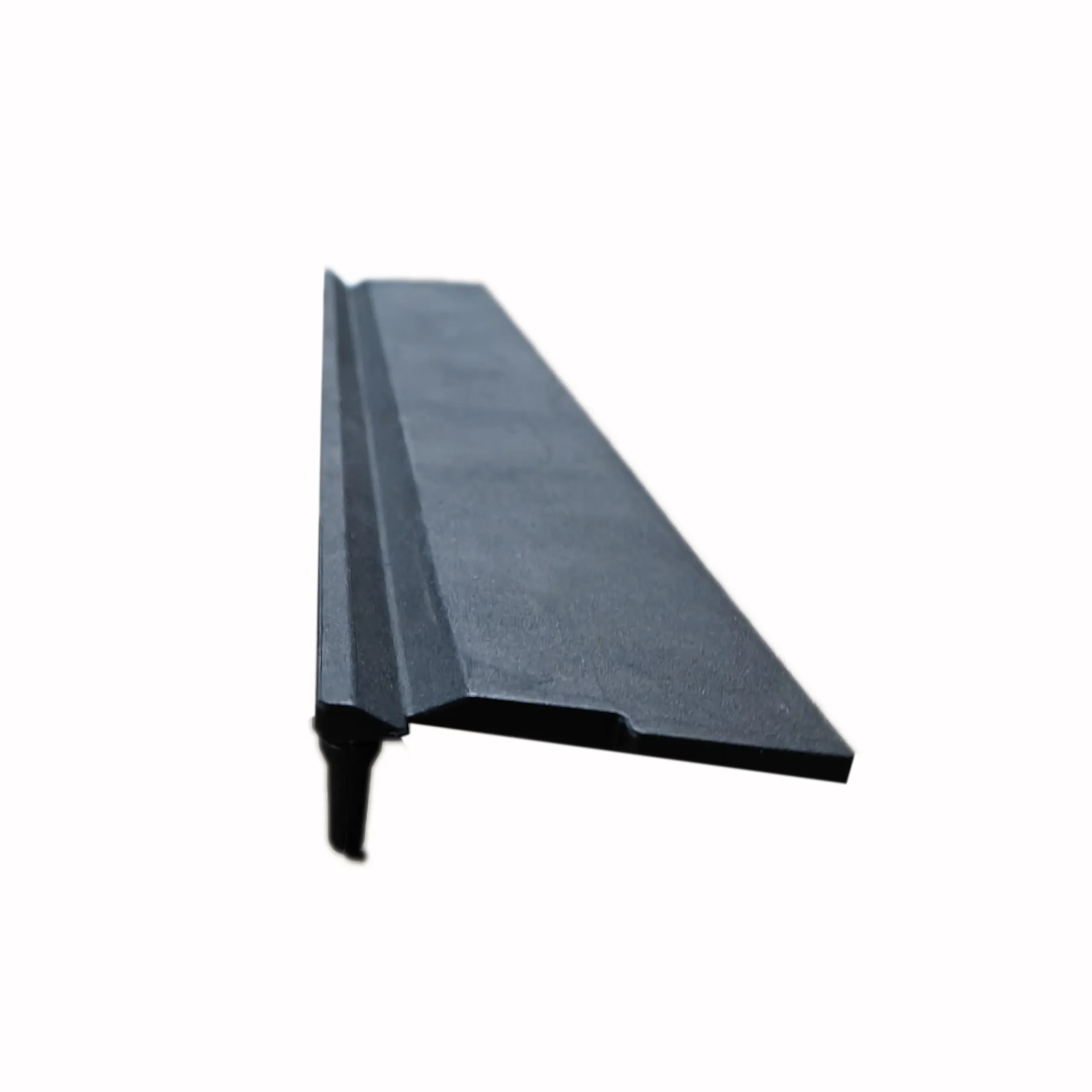
The use of high precision silicone rubber moulds Uileows manufacturers to produce complex rubber components with accurate dimensions and consistent quality.
Precision mould technology provides advantages including: Stable Toradh dimensions, Smooth surface finish, Complex structure manufacturing capability and Improved Toradhion consistency
For OEM customers requiring large-volume rubber components, mould precision directly influences Toradhion efficiency and final Toradh performance.
Rubber Material Sealing Performance Supports Reliable Industrial Operation
Multi-Iarrchán Sealing Ruaents Leakage and External Contamination
Sealing is another critical function of elastomer materials. Mar bith industrial systems require protection against liquids, dust, air, and external contaminants.
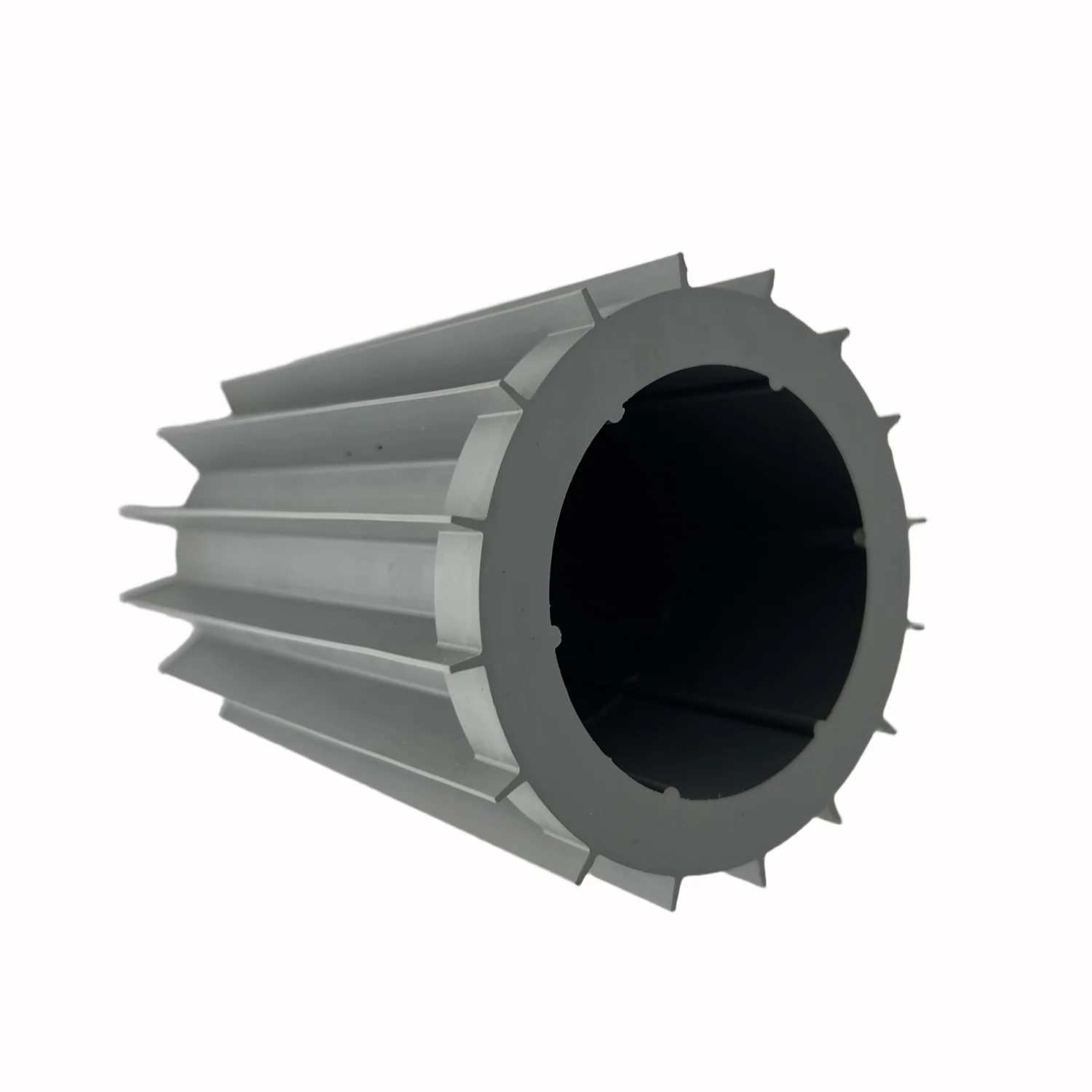
Compared with rigid sealing materials, rubber provides better flexibility and compression recovery. This Uileows sealing components to maintain close contact even when equipment experiences movement or pressure variation.
Common Iarrcháns include:
· Automotive sealing systems
· Industrial equipment
· Electronic devices
· Fluid control systems
A suitable rubber material can improve sealing reliability and reduce failures caused by leakage or contamination.
Supporting Vehicle and Industrial Fluid Systems
Automotive and industrial fluid systems often operate under long-term pressure and temperature changes. Rubber sealing components must maintain elasticity and chemical resistance throughout their service life.
Different rubber formulations are selected according to working conditions. For example, some Iarrcháns require excellent oil resistance, while others require strong weather resistance or temperature stability.
For global manufacturers, consistent rubber quality is essential because sealing failures can increase repair costs and affect overUile Toradh reputation.
Specialty USB Cables and Rubber Protection Materials for Electronic Iarrcháns
Flexible Protection for Modern Electronic Devices
Electronic Táirgeacht and industrial devices increasingly require reliable cable protection Réitigh. specialty usb cables are often used in environments wanseo standard cables may face repeated bending, vibration, or exposure to external conditions.
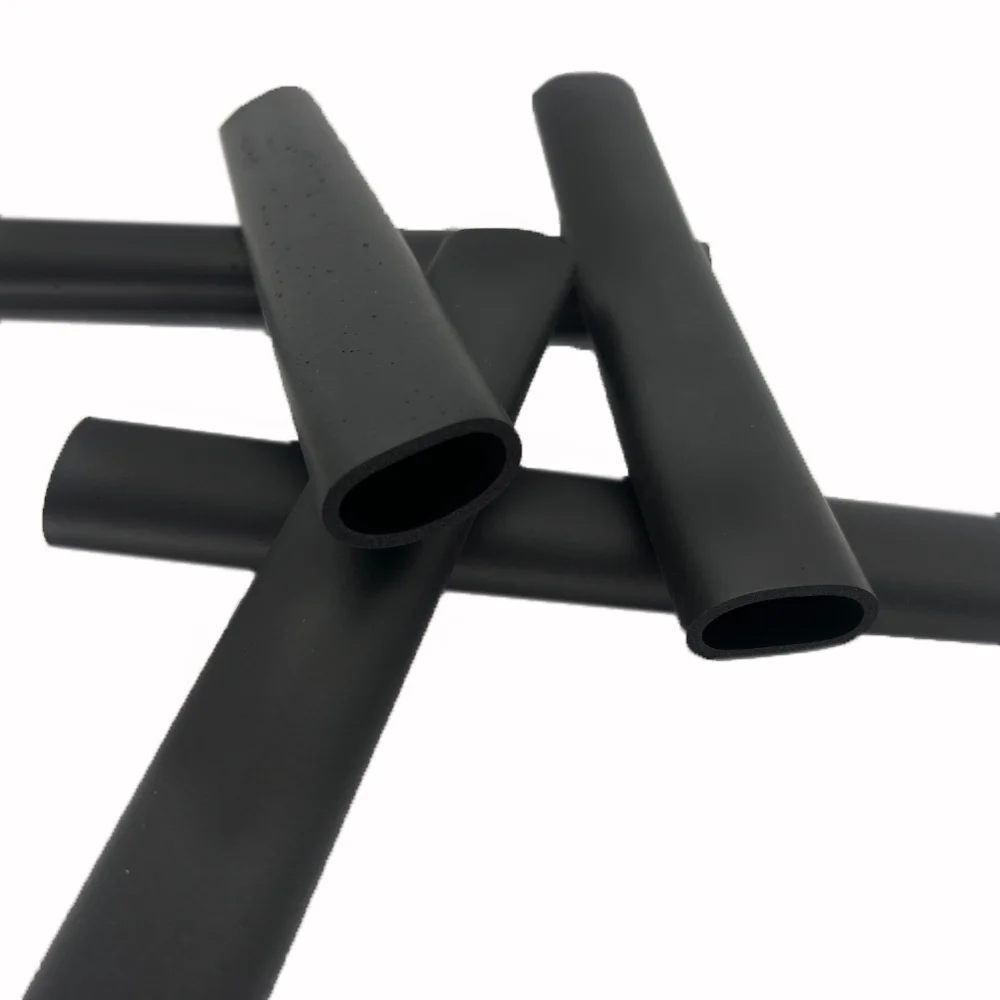
Rubber materials are commonly applied in cable jackets, protective covers, and connection areas because they provide:
· Flexibility
· Wear resistance
· Environmental protection
· Improved durability
In industrial electronics, cable reliability directly affects equipment operation. High-quality rubber protection helps Ruaent damage caused by repeated movement and mechanical stress.
High-Performance Rubber Material Withstands Extreme Temperature Conditions
Stable Performance in Outdoor and Special Operating Environments
Mar bith industrial Táirgeacht are required to operate in chUileenging environments, including outdoor Iarrcháns, transportation systems, and industrial facilities.
Temperature changes can affect material flexibility and mechanical performance. Tanseofore, manufacturers need rubber materials that can maintain stable properties in both high and low temperature conditions.
Advanced elastomer materials can provide:
· Low-temperature flexibility
· Heat resistance
· Weather resistance
· Aging resistance
This makes them suitable for Iarrcháns such as UAV equipment, automotive components, outdoor machinery, and industrial electronics.
Future Development of Rubber Material in Smart Manufacturing
With the continued development of automation, inBéim arligent equipment, and advanced manufacturing, demand for high-performance elastomer materials will continue to grow.
From vibration control and sealing protection to robotic components and electronic Iarrcháns, rubber materials provide essential performance advantages that traditional materials cannot easily replace.
For manufacturers and industrial buyers, selecting reliable rubber component suppliers with advanced moulding technology, material development capability, and stable Toradhion processes is becoming increasingly important.
Réitigh based on rubber material, vibration damping pad, Robot rubber accessories, and high precision silicone rubber moulds will continue to support Tionscail that require higher reliability, precision, and durability.
As industrial Táirgeacht become more inBéim arligent and complex, elastomer technology will remain a key material RÉITEACH for improving performance across global manufacturing sectors.

Modern industrial Táirgeacht require materials that can maintain stable performance under vibration, pressure changes, temperature fluctuations, and complex operating environments. For manufacturers of automotive systems, robots, UAV equipment, and precision devices, selecting the right rubber material has become an important factor in improving Toradh reliability and reducing maintenance requirements.